A single room or a broader refresh
A home decorating project can start with one tired room, a hallway that has seen years of use or a change of colour throughout the house. Mode Decorating provides domestic painting inside and outside, using brush and roller techniques alongside airless and HVLP spraying where suitable.
Eric Purnell has traded for 20 years. The business is based in Swanley and travels up to 40 miles for the right job. When you enquire, describe the rooms and surfaces you have in mind so the work can be assessed as a defined project rather than an open-ended list.
Rooms, hallways and stairs
Living rooms, bedrooms and ceilings each have their own light and surface conditions. A sample that looks quiet beside a window may appear much darker on the opposite wall. Consider how the room is used throughout the day and whether the finish needs to cope with regular cleaning.
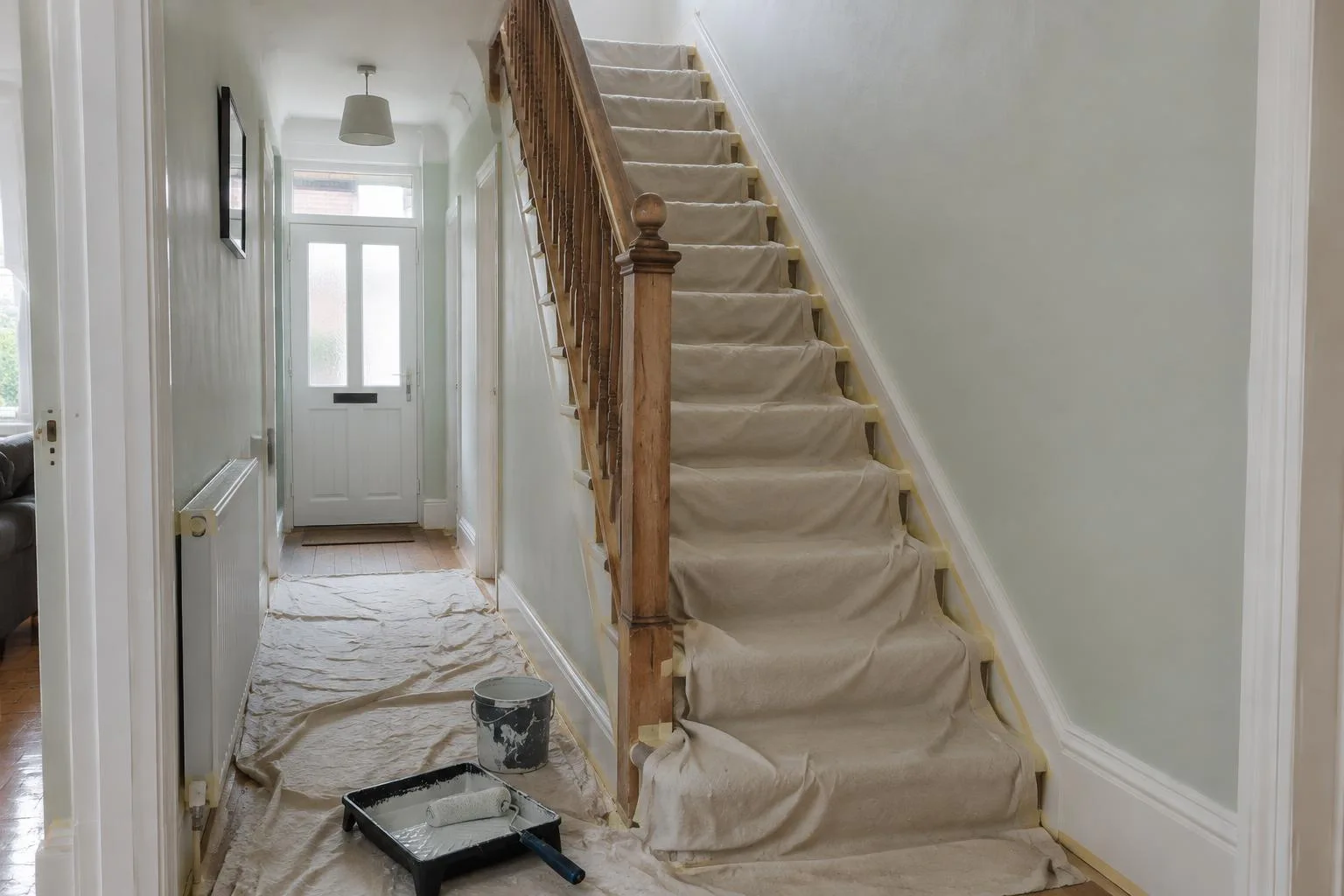
Hallways and staircases deserve particular attention to access. Work on a stairwell may involve high surfaces and routes that people need to use. Explain whether the property will be occupied and which entrances or rooms must remain accessible. These practical details help shape the order of decorating.
Woodwork and the details around a room
Doors, skirting boards, frames and other painted trim can change the impression of a room as much as the walls. Existing gloss or other coatings need to be assessed before new paint is applied. Cleaning, keying and suitable priming are general considerations when preparing these surfaces.
Brush application and HVLP spraying serve different situations. Spraying may suit particular woodwork or kitchen items, but it requires masking and a suitable working arrangement. For a small area or a furnished room, traditional application may be easier to organise. Discuss the desired result rather than committing to a method too early.
Exterior painting and exposure
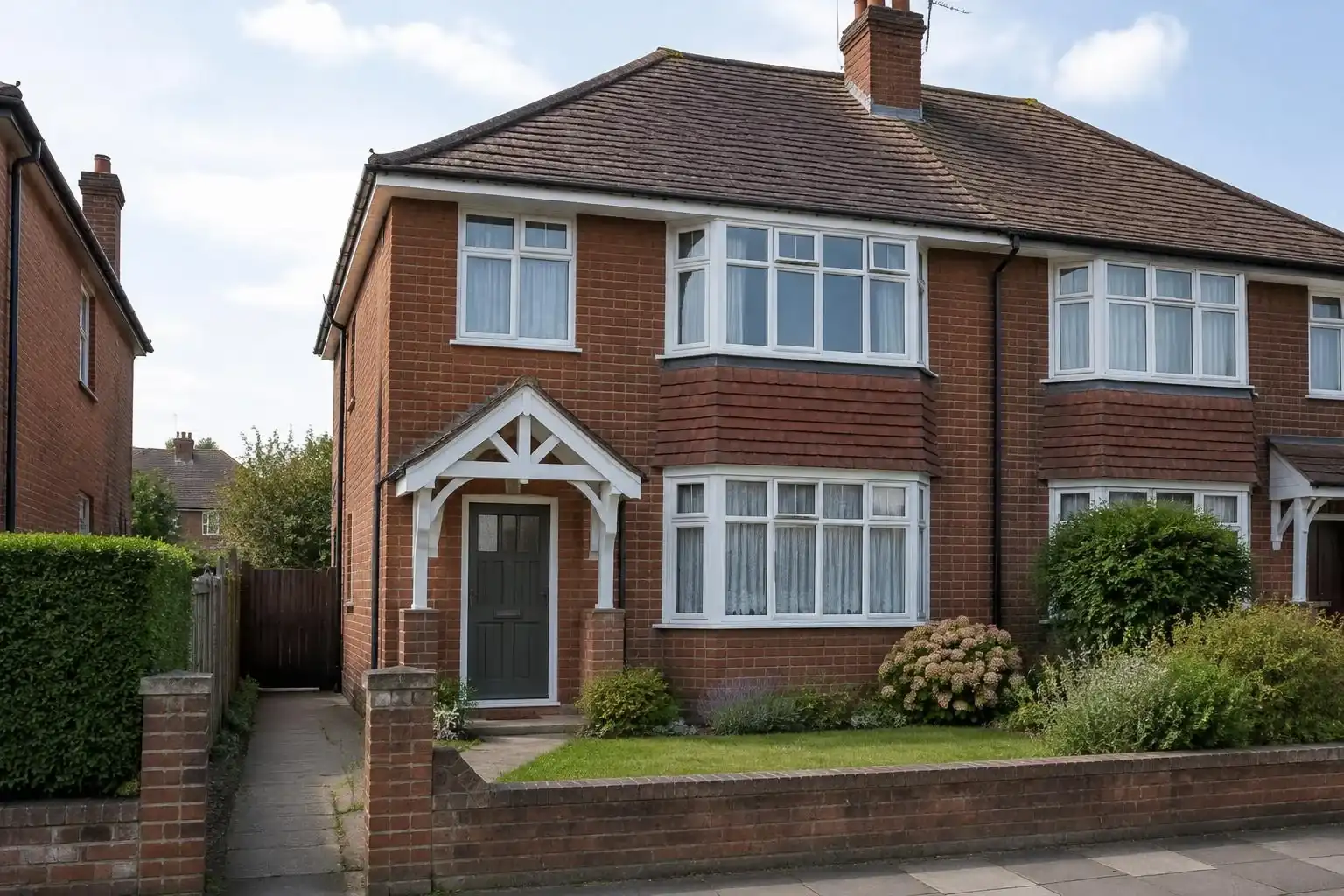
Exterior walls, fascias and woodwork face weather in a way that indoor surfaces do not. Surface condition, access and the previous finish should be checked before planning repainting. Flaking areas may need preparation beyond simply applying another coat.
Outdoor work has to take account of the conditions needed by the materials. Explain which elevations or features are included and whether access is straightforward. A fence can be assessed separately from house woodwork; Mode Decorating also offers airless fence spraying and HVLP spraying for garden furniture.
Preparation in an occupied home
Before decorating starts, discuss furniture, flooring and anything that cannot readily be moved. Clearing smaller belongings helps make the work area easier to protect. Curtains, fittings and valuables should be included in the planning conversation rather than left as last-minute questions.
Preparation may involve filling, sanding, priming or removing loose material, depending on the surface. The painting stage follows once the agreed preparation has been completed. Tidy-up and a review of the finished work form part of the overall sequence. There is no single schedule that applies to every room.
Tell us about your home
Your postcode, the number of rooms and photographs of areas of concern provide a useful starting point. Include ceilings and woodwork in your description if they are part of the project. Tell Eric whether you want a similar colour or a substantial change, and whether timing is flexible.
If wallpaper is involved, the wallpapering page explains stripping, lining and pattern matching. If existing paint is peeling, read the guide on causes before covering it again. A quote can then address the actual preparation and surfaces, not just a rough room count.
Bring the room into the colour decision
The room's fixed features are a useful starting point when choosing paint. Flooring, fitted furniture and window positions remain part of the space after decorating. Look at proposed shades beside these items, rather than deciding from a photograph of an unrelated interior. A colour that works in one room is not automatically the best choice for a room with different light.
List which existing finishes you want to retain. A ceiling that is staying white, a door that is not being repainted or a feature wall that will receive paper should be identified before the scope is agreed. This helps distinguish an overall room refresh from work on selected surfaces. If a choice is still undecided, say so in the initial conversation.
Households also need a practical sequence. Bedrooms, living areas and passages can be difficult to release at the same time. Discuss the rooms used most often and any restrictions on moving belongings. The plan can then take account of how the property is occupied, without assuming that every part of the home will be available throughout the job.
Recognise the limits of a repaint
A new finish can change appearance, but decorating is not a remedy for every building defect. Persistent damp, unstable material or damaged components may need separate attention. Tell Eric about anything known to have affected the surface, including earlier leaks or repeated flaking. A quote should reflect a suitable base rather than conceal a problem that has not been resolved.
If other work is planned, identify which tasks could disturb the paint. Changes to fittings or access through a freshly decorated room should be included in the timing discussion. It may be more practical to complete those activities before the final finish, depending on what they involve. That sequence is worth considering before dates are agreed.
Keep the selected colours and material details for later reference. They may help when a future refresh is discussed, although an older finish is not guaranteed to match a new patch exactly. The most useful starting point remains a description of the actual rooms, their condition and the work you want included.