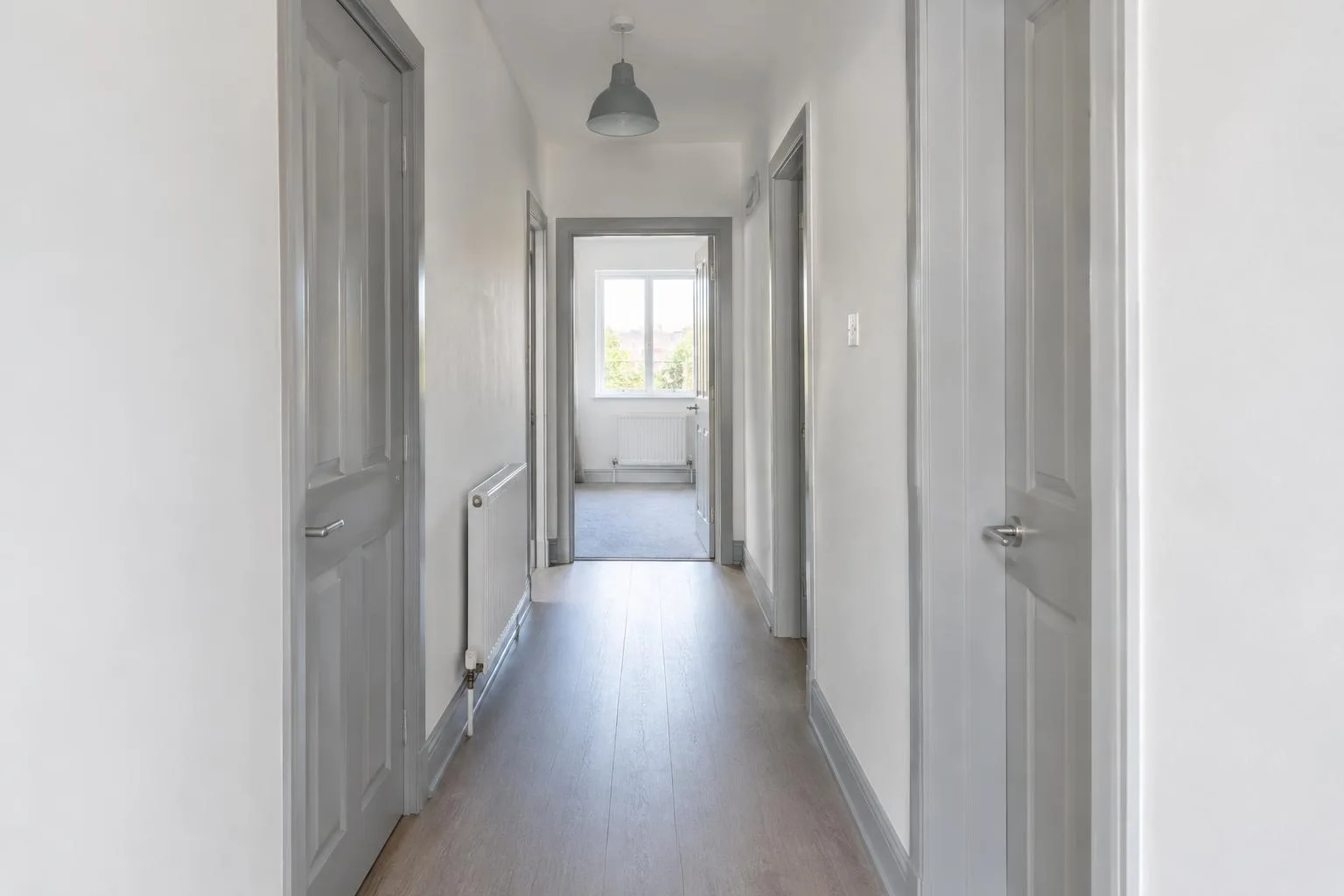
Maintenance with a decorating focus
Property maintenance here means work led by painting and decorating. It is not a claim to cover every building trade. Mode Decorating can discuss touch-ups, repaints and ongoing decorating needs for rental properties, shared areas and business premises.
When making an enquiry, separate the decorating scope from plumbing, electrical or structural work. That distinction avoids an unclear brief and helps identify whether other work needs to be completed before surfaces are finished.
Between tenancies
A change of tenancy can reveal worn walls, scuffed trim or rooms that need a new colour. Walk through the property and record where a small repair is enough and where repainting a whole surface may be more sensible. A patch can look different from the surrounding finish, particularly when old paint has aged.
Access dates and handover arrangements should be included in the initial discussion. Do not assume a turnaround time before the condition and extent of the work are known. Preparation, material drying and the other work taking place all influence the sequence.
Communal spaces and repeated wear
Shared corridors, staircases and entrance areas tend to show wear in particular places. A targeted decorating plan can distinguish routine touch-ups from a broader refresh. Keep the building’s access routes and occupancy in mind when identifying priorities.
Existing colours and coating information are useful where matching is being considered. An exact visual match cannot be assumed simply because a tin has the same colour name. Age, light and the underlying finish may affect how the new work looks.
Agreeing a sensible scope
List the areas, surfaces and defects you want assessed. Photographs help establish an initial conversation, while a visit may reveal preparation that is difficult to judge remotely. Explain whether fixtures or furniture will remain and who can provide access.
For larger business spaces, the commercial decorating page covers operational considerations. For specialist coating enquiries, see anti-vandal coatings. All requests start with the actual property details rather than an assumed maintenance package.
A record of the surfaces needing attention
For a maintenance enquiry, a short condition list is often more useful than a request to refresh everything. Identify the room or shared area, the surface and the visible issue. Scuffed lower walls, worn door edges and marks around a fitting are different tasks. Photographs with recognisable locations help make the list usable for someone who has not yet visited the property.
Separate recurring wear from a possible underlying defect. An area that repeatedly flakes may need assessment beyond another touch-up. Mention any known history, including previous repairs or moisture. This allows the quotation conversation to focus on the preparation required rather than treating each visible mark as an isolated paint application.
Where several properties are involved, keep their scopes distinct. Different addresses can have different coatings, access arrangements and occupants. A single overall instruction may hide those differences. Begin with the property details and the decorating required at each location instead of assuming that one approach applies throughout a portfolio.
Access and handover responsibilities
Agree who can provide entry and who will review the completed decorating. An agent, landlord and occupier may each hold different information about the property. Clarify those roles so the brief includes the access needed and an appropriate point of contact. The person arranging the work should know which rooms and surfaces are included.
If cleaning, flooring or other tasks are also being arranged, describe their proposed sequence. Activities that affect the walls or trim may need to happen before painting. A decorating-led maintenance enquiry is clearer when these dependencies are known. It avoids asking for a finish on a surface that will immediately be disturbed by another part of the property work.