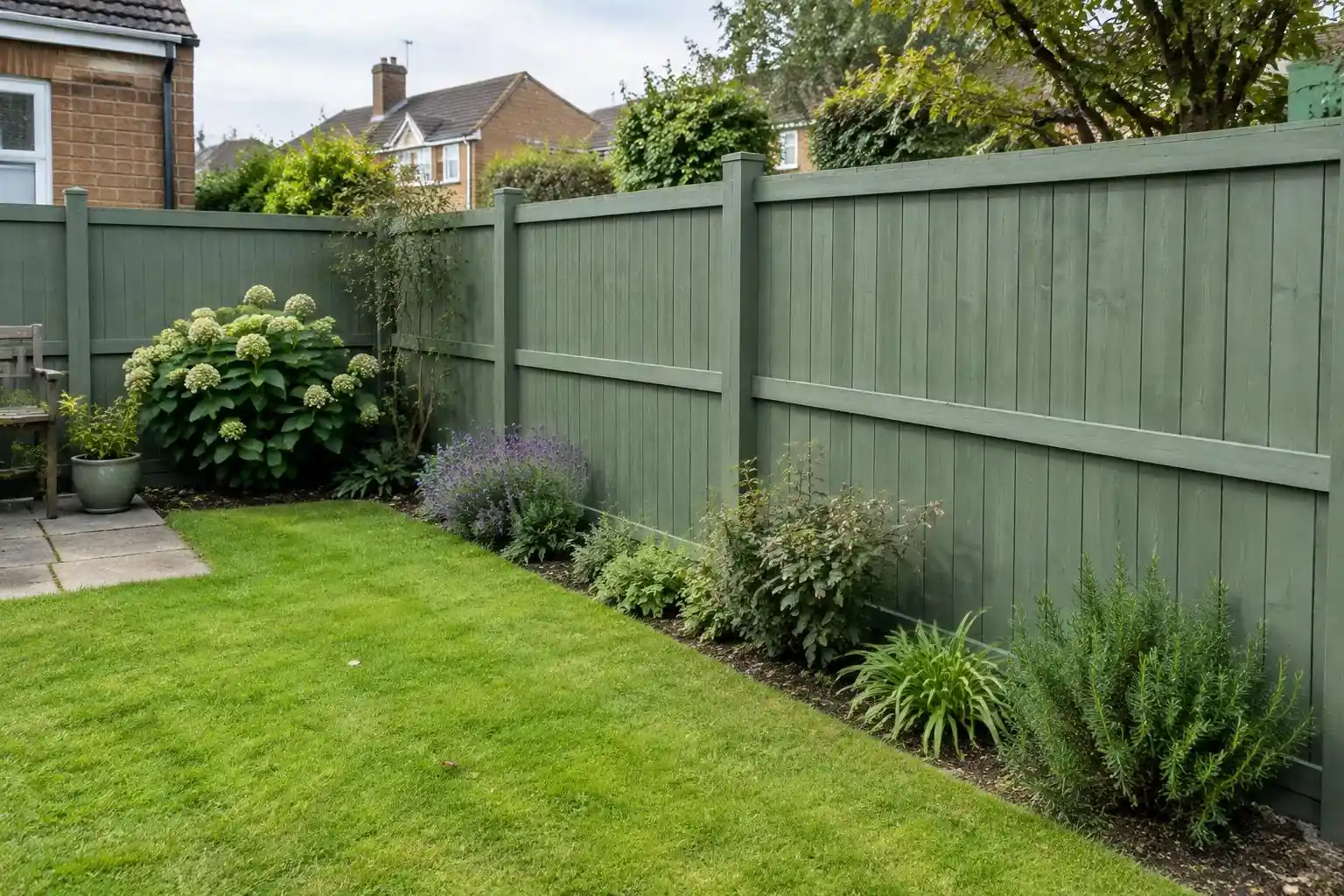
Fences are broad surfaces with many edges
Airless spraying is available for fences. Panels, posts and rails should be identified together with the sides you want coated. Gaps between boards and the proximity of neighbouring property affect the working arrangement. An approximate run length is useful, but height, existing material and condition also matter. Photographs from both directions help reveal obstacles that a simple measurement would miss.
Furniture calls for a different approach
HVLP spraying is offered for garden furniture. Table tops, legs, chair backs and detailed joints present smaller shapes than a fence panel. Describe the items and show their underside as well as the visible faces. The original finish and material influence whether preparation and a new coating are appropriate. Spraying is not a repair for loose joints, rotten timber or damaged structural parts; those concerns need to be separated from decoration.
Start with a suitable surface
Outdoor timber can carry dirt, algae and remnants of older coatings. The preparation needed depends on the current condition and the intended product. Wet wood should not simply be coated to meet a convenient date. Cleaning and any necessary drying belong in the discussion before application. Bare areas may respond differently from old finish left in place, so a consistent colour should not be promised without assessing the surface.
Keep overspray away from the surroundings
Planting, lawn edges, paving, vehicles and adjacent buildings are part of the work environment. Sprayed paint can travel beyond the item, especially in changing wind. Nearby surfaces need protection, and the weather must be suitable. Tell Eric about shared boundaries and anything that cannot be moved. Pets and people need to stay clear of the active work area, with arrangements agreed for the actual garden rather than assumed from a photo.
Coatings and weather work together
The material must suit the item and its outdoor use. A decorative shade is only part of that choice: compatibility with the existing finish and product application requirements also count. Rain, temperature, surface moisture and wind may prevent spraying even when access is available. Spraying dates depend on suitable weather. Discuss the preferred period and allow the assessment to guide a workable sequence.
A useful outdoor enquiry
Send a broad view of the garden, closer pictures of the timber and a list of furniture pieces. Explain whether the fence is on a shared boundary and whether both sides are accessible. Note any storage space available for movable items. The spraying page covers the wider equipment options; the exterior painting page addresses house surfaces. Each is a separate job, so include them separately if you want more than one part of the garden or property considered.
Spraying or painting by hand
Not every fence suits the sprayer. Short runs, panels tight against planting, a neighbour’s car parked close by or a narrow side passage can be quicker and tidier to paint with a brush. On the visit, Eric will suggest which stretches are worth spraying and which are better done by hand, so the colour is even and the paint stays where it belongs.